0+
Research papers published Across Springer, IEEE, Elsevier and other peer-reviewed international journals.
In collaboration with
OMOTEC
12 weeks of real biotech research. Built and submitted by high school students, with OMOTEC mentors.
3 MONTHS
FULL PROGRAM
30 STUDENTS
FULL COHORT
4
TRACKS
JUL 20 – OCT 20
PROGRAM DATES
Medicine is changing faster than it's being taught. AI is diagnosing cancer. Algorithms are identifying drug candidates. Genomic data is reshaping how we understand disease. The Biotech Lab gives students firsthand exposure to how biotechnology, AI, and genomics are transforming healthcare in real time.
Over 12 weeks, fully remote and in collaboration with OMOTEC, a globally recognised student research organisation, you'll pick a biotech problem that interests you, build a working computational tool to investigate it, and co-author a research paper submitted to a peer-reviewed journal.
Choose from 4 biotechnology domains
The program is structured to first build technical and analytical foundations, followed by track selection and deep project execution aligned with real-world biotech challenges.

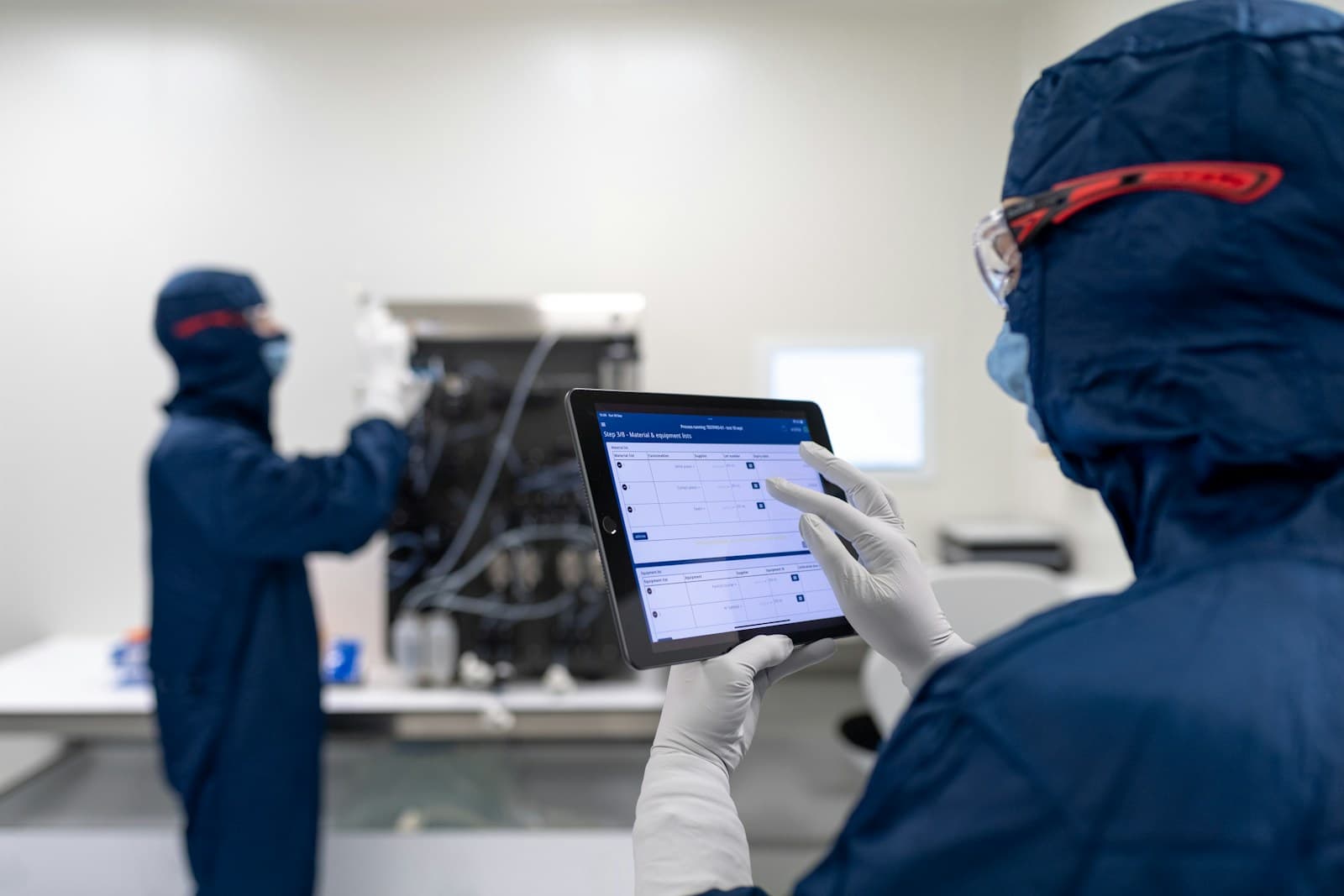
This track focuses on understanding human health, disease mechanisms, and physiological systems, including the influence of environmental and internal factors.
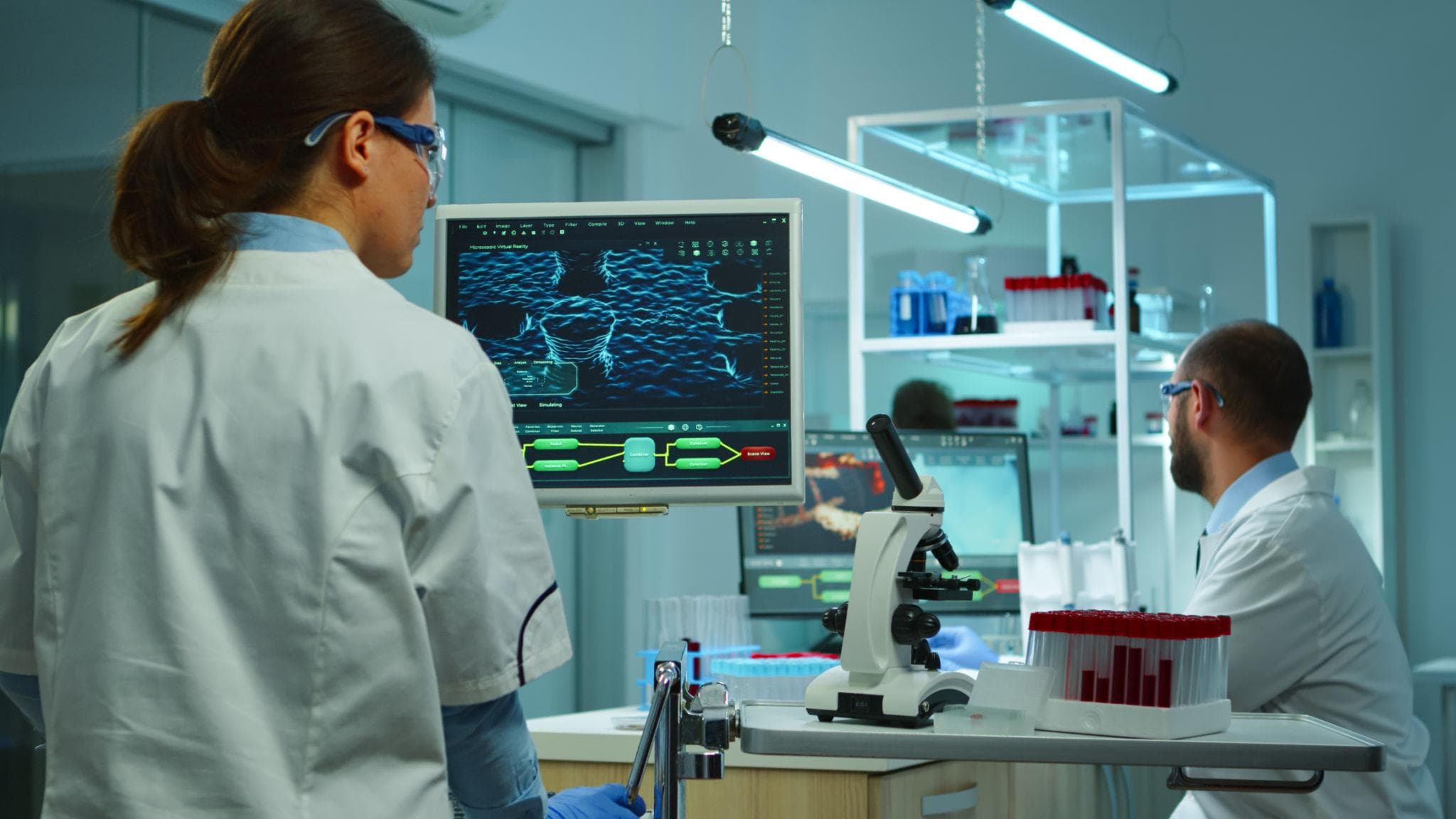
This track focuses on converting scientific discoveries into practical healthcare applications and improving clinical outcomes.
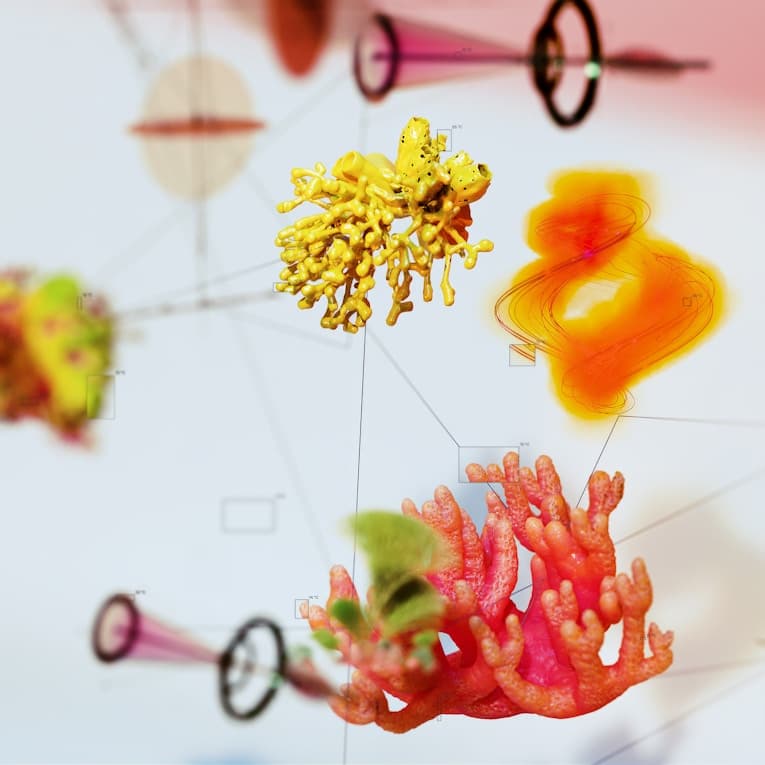
This track focuses on the use of computational tools, mathematical modeling, and data analytics to study biological systems.
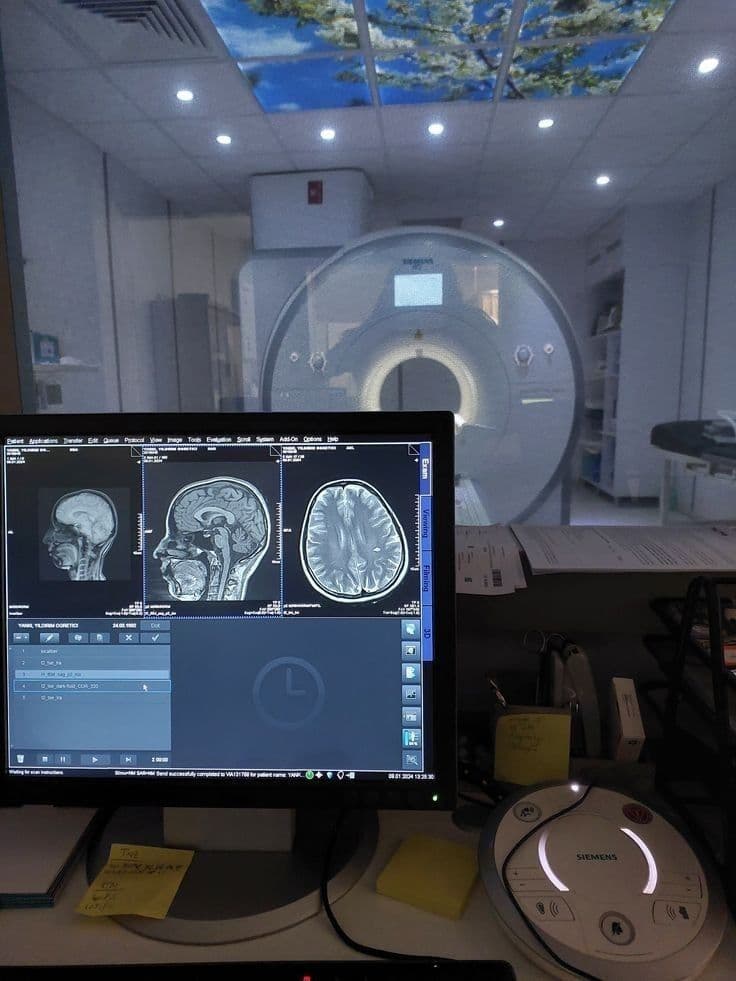
This track applies engineering principles to design solutions for healthcare, including diagnostics, monitoring systems, and therapeutic devices.

PHASE 1: Foundation & Exploration
Weeks 1–4 · Saturday & Sunday sessions · 8 hours total
Phase description:
This phase builds the computational, analytical, and experimental foundation required for modern biotech research and prototyping. Students work through biological data, AI tools, and research methodology before identifying a specialised problem space to explore further.
Week 1 — Python foundations
Python for biological data. Variables, loops, functions, and OOP — grounded in real biotech examples from day one.
Week 2 — AI & Machine Learning
How ML models work, where they're transforming medicine, and how to build and evaluate one yourself.
Week 3 — LLMs & Claude for coding
How large language models work and how to use them as a research and coding assistant, prompting, debugging, and responsible use in research.
Week 4 — Data analytics & track selection
Data visualisation, biological datasets, and mapping a real problem onto a research question. You explore all four tracks and choose where you want to go deep.

PHASE 2: Specialisation & Project Execution
Weeks 5–12 · Teams of 5–6 · 1 dedicated OMOTEC mentor per team
Phase description:
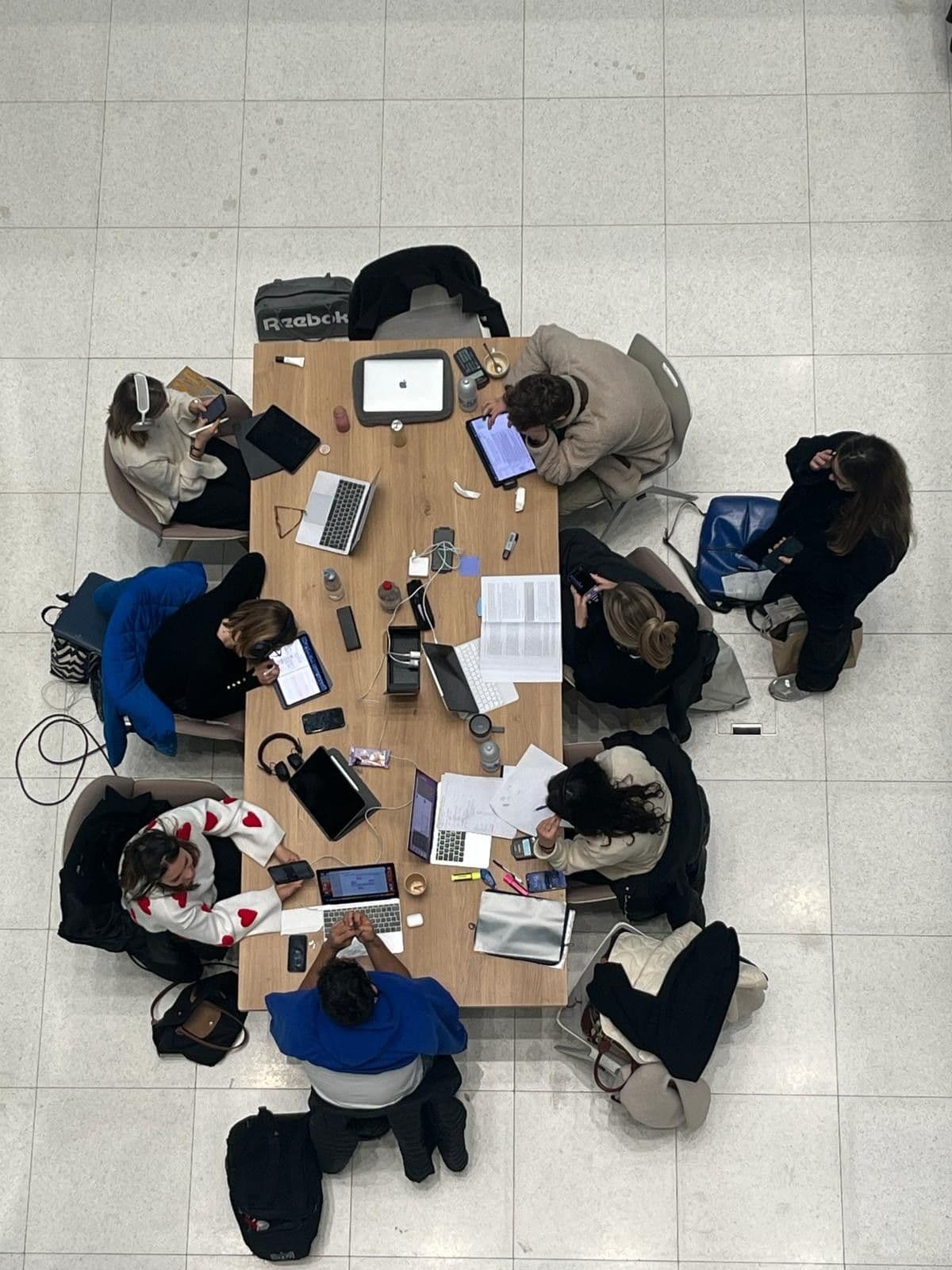
In Phase 2, students transition from foundation-building into specialised research and prototyping. Working in focused teams under OMOTEC mentorship, students develop a defined biotech project through structured experimentation, technical implementation, milestone reviews, and final presentation.
Week 5 — Idea Validation
You present your research idea to your team and mentors, defend your direction, incorporate feedback, and lock in your focus before building begins.
Week 6 — Data & Methodology
Source your dataset, clean it, and define your approach. What problem, what data, and what method you use will be written down and signed off before you build anything.
Week 7 — Preliminary Design Review
First formal milestone, where you present your data, early findings, and methodology to your mentor.
Weeks 8–11 — Build Sprint & Paper Writing
You build your ML models, bioinformatics pipelines, or health applications while paper writing runs in parallel. Mentor-guided drafting and revision begin here and continue through to the final presentation.
Week 11 — Critical Design Review
Second formal milestone. Present your results, what worked, what didn't, and what it means.
Week 12 — Final Presentation
Live panel to discuss your problem, your tool, and your findings. Paper revisions continue up to this point, with the goal of a submission-ready draft by close of week.
PHASE 3: Publication & Journal Submission Support
Up to 6 months post-program · Periodic mentor check-ins
Phase description:
The program does not end with the final presentation. Over the following six months, mentors continue working with students to refine their paper, identify suitable journals, respond to reviewer feedback, and support the submission process through to publication.
Support is structured around periodic check-ins based on student availability, with the goal of helping each team move from a strong draft to a formally published piece of work.
Key areas of support
Journal identification & submission strategy
Mentors help students identify appropriate peer-reviewed journals and prepare their paper for submission.
Reviewer feedback & revisions
Students receive guidance on incorporating reviewer comments, strengthening arguments, and improving technical clarity.
Publication readiness
Final rounds of editing, formatting, citations, and submission support continue until the paper reaches publication standard.
The only high school biotech program combining computational prototyping, mentor-guided research, and publication support in a single structured experience.
An ML model, bioinformatics pipeline, or deployed health application, built by you over eight weeks. It can be leveraged in any university interview or personal statement.
15–25 pages, written with your team and guided by your mentor from first draft to journal submission. Submitted to peer-reviewed journals.
The program ends at Week 12, but your mentor stays with you through the journal submission process, reviewer responses, and revisions until your paper is accepted.

Grades 9–12
The program is open to high school students globally. No prior research, coding, or biotech experience is required.
Students interested in medicine, biology, or health tech
If you're drawn to how technology is changing healthcare or AI diagnostics, genomics, drug discovery, computational neuroscience, this is the program to go deep in it before university.
Students building a serious university application
A published research paper and a working tool are rare, verifiable credentials at the high school level. This program is built to produce both.
The projects below showcase work produced by high school students across biotechnology, AI, and computational research under the guidance of OMOTEC mentors, with publication in international peer-reviewed journals. Explore each track to see related past projects.
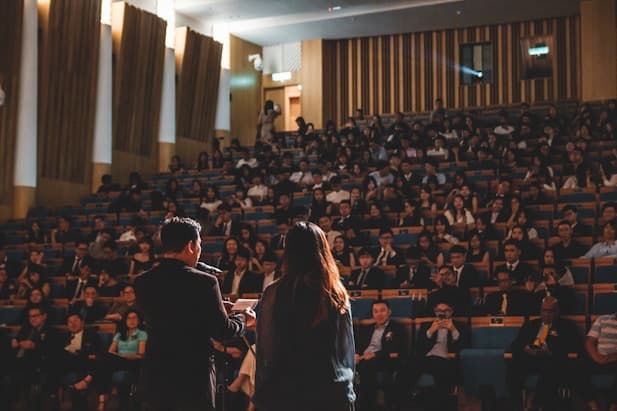
Researchers, inventors, and published experts working directly with student teams.
Your mentor directly supervises your research process, technical development, milestone reviews, paper revisions, and publication pathway over multiple months.
0+
Research papers published Across Springer, IEEE, Elsevier and other peer-reviewed international journals.

0+
Patents filed Including 4 granted patents on student-built devices and systems.
0+
Global awards won By students these mentors trained — across Regeneron ISEF, GENIUS Olympiad, Conrad Challenge and more.

0+
Students trained Across 8 innovation centres in India over more than a decade of research education.
Global reach
Schools and institutions represented across BuildUp programs worldwide — reflecting our commitment to global collaboration and diverse peer perspectives.

Akshara International
Bishops School Pune

Enko International Schools

Heritage International School

International Academy
Mahindra United World College

Pathways World School
Prudence School
Shri Ram School
Thomas Jefferson high School

Vidyagyan School
Akshara International
Bishops School Pune
Enko International Schools
Heritage International School
International Academy
Mahindra United World College
Pathways World School
Prudence School
Shri Ram School
Thomas Jefferson high School
Vidyagyan School

BD Somani
CNS Pune

Future Kids School Hyderabad

Indus Bangalore

Kodaikanal International School

MIT Vishwashanti Gurukul

Pestalozzi Education Center
Riverside Academy - Qatar

Stonehill International School
TISB

Woodstock School
BD Somani
CNS Pune
Future Kids School Hyderabad
Indus Bangalore
Kodaikanal International School
MIT Vishwashanti Gurukul
Pestalozzi Education Center
Riverside Academy - Qatar
Stonehill International School
TISB
Woodstock School
Billabong High International

Cygnus World School
Gems Modern Academy - Abu Dhabi

Indus Pune
Mahindra International School

Oakridge International
Pine View School

San Mateo High School

The Doon School

Vidya Valley School
Billabong High International
Cygnus World School
Gems Modern Academy - Abu Dhabi
Indus Pune
Mahindra International School
Oakridge International
Pine View School
San Mateo High School
The Doon School
Vidya Valley School
Outcomes
Our students progress to globally respected universities through deliverable focused world class projects, rigorous mentorship, and unique profiles.

Brown University

Duke University

King’s College London

LSE
NYU

UCLA
University of Oxford

USC
Brown University
Duke University
King’s College London
LSE
NYU
UCLA
University of Oxford
USC
Carnegie Mellon University
Harvard University

London Business School

NUS

UC Berkeley

University College London
University of Warwick
Carnegie Mellon University
Harvard University
London Business School
NUS
UC Berkeley
University College London
University of Warwick
01
Submit a short application outlining your interests, background, and motivation.
02
Shortlisted applicants are invited for a 1:1 conversation to assess fit and commitment.
03
Selected students receive an offer along with their financial aid decision.
Financial aid is awarded to a limited number of exceptional applicants based on merit and demonstrated potential.
There are limited merit grants of $500 & $750 available to select students.
Early Deadline
June 15, 2026
USD 3750
Regular Deadline
July 15
USD 4250
*Depending on spot availability
Summer 2026 cohort
Take the next step toward a mentor-guided biotech research project and a co-authored publication. Applications are reviewed on a rolling basis.
Frequently asked questions.